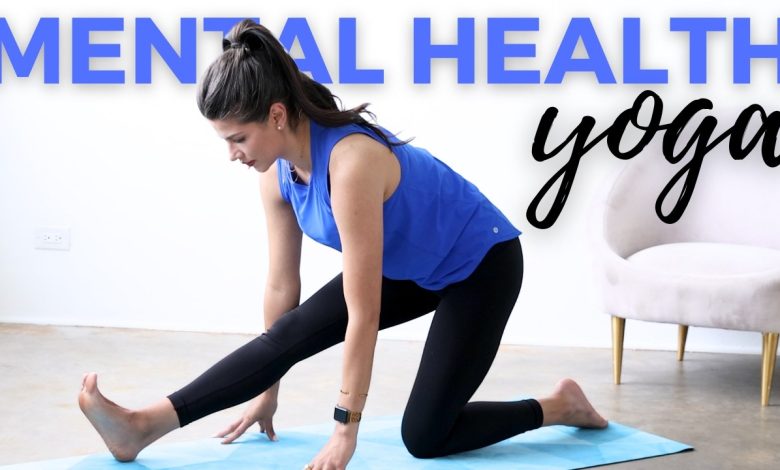
Vinyasa yoga is more than just a physical workout. It’s a transformative practice that integrates movement, breath, and mindfulness to enhance both physical and mental well-being. While many people associate yoga primarily with flexibility and strength, its effects on mental health are equally profound. The flowing nature of vinyasa yoga, which connects breath to movement, creates a calming and meditative experience that can help alleviate stress, anxiety, and depression. If you’re curious about how this practice can improve your mental health, check out Yoga Edition for more resources on getting started with vinyasa yoga.
Understanding Vinyasa Yoga: A Powerful Blend of Movement and Breath
At its core, vinyasa yoga is a practice that synchronises breath with movement. The word “vinyasa” means “arranging something in a special way,” which is reflected in how practitioners flow from one pose to the next, maintaining a smooth rhythm between breath and body. Unlike more static styles of yoga, such as Hatha, vinyasa offers dynamic sequences that are designed to keep the body moving continuously.
This fluidity is not only beneficial for the body but also for the mind. The combination of breath control (pranayama), deliberate movement, and the focus required to follow the sequence encourages a state of mindfulness, which can be incredibly effective in reducing mental stress and enhancing emotional regulation. The very act of focusing on the breath and the movement brings you into the present moment, creating a form of moving meditation.
Mental Health Benefits of Vinyasa Yoga
The positive effects of vinyasa yoga on mental health have been supported by numerous studies. Research indicates that the practice can help reduce symptoms of anxiety, depression, and stress while promoting emotional balance. Here’s a deeper look at how vinyasa yoga contributes to mental well-being:
1. Reducing Stress Through Breath and Movement
Stress is one of the leading causes of mental and physical health issues today. Vinyasa yoga incorporates deep breathing techniques, such as ujjayi breath (the victorious breath), which helps activate the parasympathetic nervous system, triggering the body’s relaxation response. As you move through each pose, synchronising your breath with the movement, it helps to reduce cortisol levels – the hormone associated with stress.
This breath-centred practice calms the mind, reduces mental chatter, and fosters a sense of relaxation. For those with high-stress jobs or individuals struggling with anxiety, vinyasa yoga provides an effective means of creating mental clarity and peace.
2. Building Emotional Resilience
Vinyasa yoga encourages emotional regulation by promoting mindfulness. The focus required to execute the poses and synchronise breath with movement can help individuals connect to their emotions and better understand how they respond to stress, discomfort, and external stimuli. Through this connection, practitioners develop greater emotional resilience.
In vinyasa yoga, practitioners often face challenging poses that test both their physical and mental limits. By learning to stay calm and breathe through discomfort, individuals build resilience, learning how to handle challenges both on and off the mat. This ability to “stay present” in difficult situations can be translated into everyday life, where individuals become better equipped to deal with stress, change, and conflict.
3. Alleviating Symptoms of Depression
For those dealing with depression, physical movement is one of the best ways to combat feelings of sadness or hopelessness. Studies show that exercise, in general, is a natural mood booster, releasing endorphins – the “feel-good” hormones. Vinyasa yoga, which is both dynamic and energising, offers a way to uplift one’s mood while addressing the underlying causes of depression, such as stress and muscle tension.
Through its flowing movements, vinyasa yoga helps to release tension trapped in the body. The mind-body connection cultivated in the practice can give people a sense of agency, allowing them to take control over their mental and emotional state. By establishing a rhythm of breath and movement, individuals can achieve a sense of accomplishment and emotional upliftment after every practice.
4. Improving Sleep Quality
Many people struggle with sleep disturbances due to anxiety, racing thoughts, or stress. Vinyasa yoga can help address these issues by activating the body’s natural relaxation mechanisms. The controlled breathing and mindful movements signal to the body that it’s time to unwind, which can lead to improved sleep quality.
Yoga poses that focus on relaxation, such as forward bends and restorative postures, can be particularly effective before bed, helping to calm the nervous system and promote restful sleep. As you incorporate vinyasa into your routine, you’ll likely find that not only do you sleep better, but your overall sense of well-being improves as well.
The Role of Mindfulness in Vinyasa Yoga
Mindfulness is the practice of being fully present and aware of the current moment, without judgment. It’s an essential component of vinyasa yoga that brings mental clarity and emotional balance. During a vinyasa session, the practitioner is encouraged to focus their attention on the movement and breath. This awareness helps to quiet the mind, reducing mental clutter and fostering a deep sense of peace.
This practice of mindfulness extends beyond the yoga mat. As you practice vinyasa yoga, you develop the ability to be more present in daily life, which can reduce feelings of anxiety and stress. By paying attention to the present moment and being aware of your thoughts and feelings without judgment, you cultivate emotional balance and improve your mental resilience.
How Vinyasa Yoga Supports Personal Growth
The benefits of vinyasa yoga go beyond physical fitness; they extend into personal growth and self-awareness. Here are some ways vinyasa yoga can enhance your personal development:
- Increased Self-Awareness: Through its practice, vinyasa yoga encourages individuals to become more in tune with their bodies and minds. As you deepen your practice, you become more attuned to your body’s needs, emotions, and thought patterns, creating a space for introspection and self-discovery.
- Cultivating Patience and Discipline: Mastery in vinyasa yoga, like any form of personal growth, requires time, patience, and consistency. Over time, practitioners learn to work through frustration and self-doubt, developing discipline and perseverance that can be applied to other areas of life.
- Promoting a Positive Mindset: The self-awareness and mindfulness developed in vinyasa yoga can help shift negative thought patterns and cultivate a positive mindset. As practitioners progress in their practice, they learn to approach challenges with an open mind and a more optimistic outlook.
Getting Started with Vinyasa Yoga
If you’re new to vinyasa yoga, it’s important to start with beginner-level classes to build a strong foundation. Many studios, such as Yoga Edition, offer classes designed for newcomers, where instructors guide you through the basics of breathwork, alignment, and movement. It’s also helpful to attend a few sessions before committing to a regular practice, to ensure that vinyasa yoga is the right fit for you.
As you become more experienced, you can experiment with different styles of vinyasa, such as power vinyasa or restorative vinyasa, depending on your needs and goals. Whether you’re looking to improve flexibility, reduce stress, or cultivate mindfulness, vinyasa yoga offers a versatile and accessible practice for all levels.
Conclusion
Vinyasa yoga is a powerful tool for improving mental health. By connecting breath with movement, it helps alleviate stress, manage anxiety, and improve emotional well-being. The mindfulness and awareness developed in practice extend beyond the yoga mat, helping individuals manage their emotions and live more fulfilling lives. Whether you’re a beginner or an experienced practitioner, vinyasa yoga offers a transformative approach to mental health and personal growth.
For more information on classes and resources, visit Yoga Edition to start your vinyasa yoga journey today.