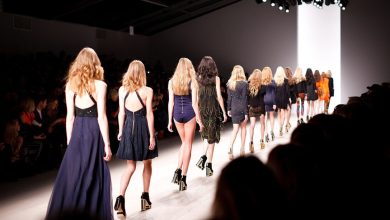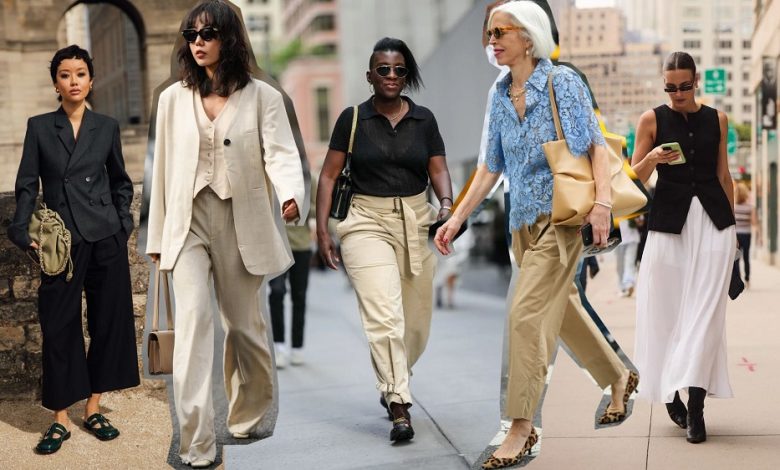
The modern workplace dress code has undergone a dramatic transformation. Traditional corporate environments that once required rigid, uniform business suits have largely given way to dynamic environments that blend formal tailoring with contemporary comfort. Today, professional style is defined by versatility, intentional curation, and personal expression.
Navigating this evolved landscape requires building a foundational capsule wardrobe. Rather than chasing fleeting micro-trends, the modern professional focuses on high-quality, interchangeable garments that project competence, poise, and adaptability. Investing in timeless essentials ensures you remain appropriately dressed for high-stakes executive boardrooms, hybrid client meetings, and casual team working sessions without unnecessary daily decision fatigue.
The Core Philosophy of the Modern Capsule Wardrobe
Building a successful professional wardrobe begins with an understanding of modular style. A capsule wardrobe relies on a curated selection of complementary pieces that mix and match effortlessly, maximizing outfit combinations from a minimal number of high-utility garments.
-
Fabric Integrity and Durability: Prioritize natural fibers and performance blends, including high-twist merino wool, breathable cotton poplin, linen-silk blends, and technical stretch fabrics that resist wrinkling during commutes.
-
Neutral Color Palette: Ground your foundational pieces in versatile neutrals such as navy, charcoal, black, camel, cream, and olive. These tones pair seamlessly with each other and serve as a canvas for subtle pops of seasonal color.
-
Flawless Tailoring: Even expensive designer garments look sloppy if they fit poorly. Engaging a skilled tailor to adjust sleeve lengths, taper trouser legs, and nip waistlines transforms off-the-rack purchases into bespoke-fitting garments.
-
Versatility Across Contexts: Every item in a core professional wardrobe should easily transition between formal client presentations and informal business-casual dinners with minor styling adjustments.
Essential Outerwear and Tailored Jackets
A well-constructed jacket serves as the ultimate anchor for any professional outfit, providing instant structure and visual authority.
The Modern Tailored Blazer
A versatile blazer is the most important layering piece in a professional wardrobe. Look for unstructured or softly structured designs in navy, slate grey, or black that can be paired with matching trousers, contrasting chinos, or dark denim.
-
Single-Breasted Wool Blazer: Offers maximum versatility, serving as a formal meeting layer over a crisp dress shirt or a polished casual piece over a fine-gauge knit.
-
Textured and Patterned Blazers: Subtle houndstooth, glen plaid, or linen-wool textures add visual interest to monochrome base layers while maintaining executive decorum.
Functional Outerwear Layers
-
The Classic Trench Coat: A double-breasted, weather-resistant trench coat in beige, khaki, or black provides timeless sophistication during rainy commutes and shoulder seasons.
-
The Tailored Wool Overcoat: A mid-thigh or knee-length wool-cashmere coat in charcoal or camel is essential for maintaining a clean, professional silhouette during colder months.
Core Tops, Shirts, and Knitwear
The layers worn closest to the body dictate both physical comfort and visual refinement throughout long workdays.
Crisp Button-Down and Woven Shirts
-
Classic White and Light Blue Dress Shirts: High-thread-count cotton shirts in pinpoint Oxford or twill weaves are non-negotiable staples for formal meetings and video conferences.
-
Silk and Drape Blouses: Breathable silk, viscose, or modal button-ups and cowl-neck tops offer a soft, elegant drape that layers neatly underneath blazers and cardigans.
-
Band-Collar and Contemporary Cut Tops: Clean, minimalist collars provide a modern aesthetic for creative and forward-thinking corporate sectors.
Fine-Gauge Knitwear
Knitwear bridges the gap between formal tailoring and business-casual comfort, especially in climate-controlled office spaces.
-
Merino Wool and Cashmere Crewnecks: Lightweight crewneck sweaters worn over collared shirts or under sport coats deliver warmth without unwanted bulk.
-
Sleek Turtlenecks and Mock Necks: Fine-gauge turtlenecks in black, espresso, or charcoal offer a sophisticated alternative to traditional ties and collared shirts during autumn and winter.
-
Tailored Cardigans: Structured knit jackets and fine-gauge cardigans serve as comfortable, soft-tailored alternatives to traditional suit jackets for casual workdays.
Versatile Bottoms and Trousers
Modern workwear bottoms must balance crisp structural lines with the flexibility required for active commutes and seated desk work.
-
Flat-Front Wool Trousers: Mid-rise, tapered wool trousers in charcoal, navy, or houndstooth remain the standard for high-level business presentations.
-
Chinos and Tailored Slacks: Clean cotton-twill chinos with a subtle amount of stretch provide an elevated foundation for daily business-casual wear.
-
Pencil and A-Line Skirts: Knee-length or midi skirts in structured ponte knit, wool crepe, or faux leather provide feminine sophistication and versatile pairing options.
-
Premium Dark-Wash Denim: In contemporary offices that allow jeans, select dark indigo or jet-black denim with clean hems, zero distressing, and minimal stitching details.
Foundation Footwear for Style and Mobility
Footwear communicates attention to detail while bearing the physical demands of daily walking and travel. Investing in quality leather goods and proper foot support is essential.
Classic Formal Footwear
-
Leather Oxfords and Derbies: Timeless leather lace-ups in burnished brown and polished black complement formal business suits and tailored slacks.
-
Refined Loafers: Penny loafers, horsebit loafers, and Belgian slip-ons in smooth calfskin or suede provide effortless elegance across business-casual settings.
-
Pointed-Toe Flats and Low Block Heels: Sleek leather flats and sturdy two-inch block heels combine all-day comfort with sharp, professional lines.
Modern Hybrid Options
-
Ankle and Chelsea Boots: Streamlined leather or suede Chelsea boots offer clean lines and weather protection for fall and winter rotations.
-
Minimalist Dress Sneakers: In relaxed modern offices, immaculate white or monochrome leather sneakers with low profiles can pair tastefully with cropped trousers and casual blazers.
Professional Accessories and Everyday Carry
Accessories should enhance an outfit without creating visual clutter or distraction.
-
Structured Leather Bags: A leather briefcase, tote, or structured portfolio bag keeps laptops, documents, and essentials organized while reinforcing professional polish.
-
Timeless Timepieces: A classic analog watch with a leather or stainless steel band adds an element of traditional sophistication.
-
Reversible Leather Belts: High-grade leather belts with minimalist brushed metal buckles in black and dark brown tie together pants, shoes, and outerwear seamlessly.
Frequently Asked Questions
How can professionals transition an outfit from a daytime office setting to an evening business dinner?
To transition an outfit quickly, swap out structured layers and casual accessories for refined evening accents. For instance, remove a rigid necktie or swap a heavy work tote for a sleek clutch, replace casual daytime flats with statement footwear, or trade a formal daytime work blazer for a relaxed leather jacket or soft cardigan.
What is the best way to care for fine merino wool and cashmere garments between wears?
Avoid dry cleaning wool and cashmere sweaters after every wear, as harsh chemical processes degrade delicate natural fibers. Instead, air out knitwear on flat surfaces after wearing, use a cedar block to deter moths, steam lightly to release wrinkles and eliminate odors, and use a specialized fabric shaver to remove surface pilling periodically.
How should a professional build a wardrobe for a hybrid work model split between home and the office?
Focus on elevated comfort by investing in waist-up statement pieces for video calls, such as structured knit blazers, crisp collared shirts, and fine-gauge sweaters in vibrant, flattering colors. Combine these with versatile stretch-tailored trousers and comfortable slip-on leather footwear that transition effortlessly between home desks and corporate meeting rooms.
What are the subtle differences between business formal, business professional, and business casual?
Business formal represents the highest tier of corporate dress, requiring dark matching wool suits, formal dress shirts, conservative ties, or tailored dress suits. Business professional allows slightly more color variation and separated tailored pieces while maintaining a conservative standard. Business casual permits relaxed separations, including chinos, fine knitwear, dark denim, and unstructured blazers without mandatory ties or matching suits.
How can an individual dress professionally in hot summer months without overheating?
Select garments made from breathable, open-weave natural fibers such as linen-cotton blends, tropical-weight wool, and lightweight silk-modal fabrics. Choose unlined or half-lined blazers, short-sleeve knit polos, and light-colored neutral trousers like tan, stone, and pale grey to deflect sunlight and maximize air circulation.
How many complete outfits should a starter professional capsule wardrobe yield?
A well-curated starter capsule of ten to twelve versatile garments—including two jackets, three pairs of trousers or skirts, four shirts or blouses, and two lightweight knits—should generate at least twenty to thirty distinct, coordinated outfit combinations when using an interchangeable neutral palette.
What are the signs that a suit jacket or blazer requires professional tailoring?
Common indicators that a jacket needs tailoring include shoulder seams extending past the natural shoulder edge, fabric bunching or pulling across the back shoulder blades, sleeves covering the thumb joint rather than ending just at the wrist bone, and excessive fabric pooling around the torso when the center button is fastened.