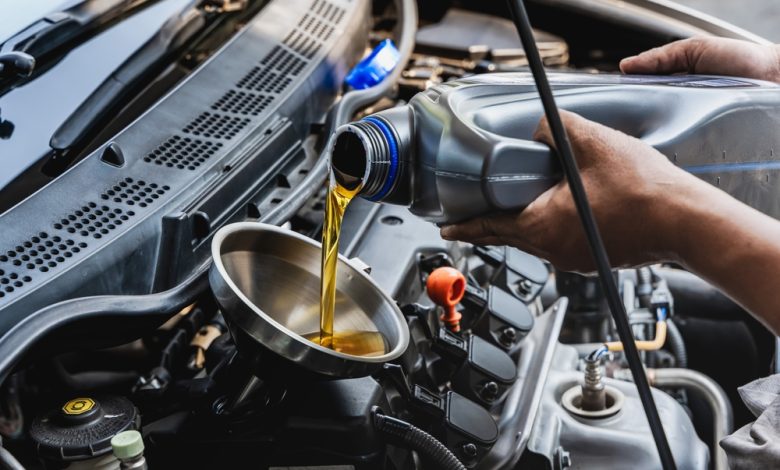
The internal combustion engine is a sophisticated mechanical assembly operating under extreme heat, rapid movement, and immense pressure. Hundreds of precision-engineered metal components, including pistons, crankshafts, camshafts, and valves, move in synchronization thousands of times per minute. To operate smoothly without destroying themselves, these components depend on motor oil.
Motor oil is often called the lifeblood of an engine. It provides lubrication, cooling, cleaning, and corrosion defense across the powertrain. Over time, heat, friction, mechanical shear, and chemical contaminants degrade oil quality, reducing its ability to protect internal engine components. Understanding how regular oil changes protect your engine reveals why this routine maintenance procedure is essential for maximizing vehicle longevity, preserving fuel economy, and preventing catastrophic mechanical failures.
The Core Functions of Motor Oil in Engine Operation
Motor oil performs several critical mechanical and chemical functions within the internal combustion engine simultaneously:
-
Friction and Wear Reduction: Motor oil creates a microscopic hydrodynamic boundary layer between moving metal surfaces, preventing direct metal-on-metal contact that causes rapid component wear, scoring, and galling.
-
Thermal Regulation and Dissipation: While the liquid cooling system manages engine block temperatures, motor oil circulates directly past the hottest internal components, such as piston skirts and cylinder walls, absorbing heat and transferring it away to the oil pan and oil cooler.
-
Internal Decontamination and Sludge Prevention: Detergents and dispersant additives in fresh oil trap combustion byproducts, carbon deposits, dirt, and microscopic metal shavings, suspending them in the fluid so they can be captured by the oil filter.
-
Corrosion and Oxidation Defense: Motor oil contains chemical rust inhibitors and anti-corrosive additives that neutralize harmful acids created during fuel combustion, protecting bearing surfaces and iron components from chemical degradation.
-
Hydraulic and Pressure Sealing: Motor oil helps seal the microscopic gap between piston rings and cylinder walls, maintaining high compression for peak power output while preventing unburned fuel and exhaust blow-by from contaminating the crankcase.
The Degradation Process: What Happens When Oil Breaks Down
Engine oil does not last indefinitely. From the moment fresh oil enters an operational engine, it is subjected to continuous thermal and mechanical stress that steadily degrades its chemical formulation.
Thermal Breakdown and Additive Depletion
As motor oil is repeatedly heated to high operating temperatures and cooled, its chemical additives break down:
-
Additive Depletion: Anti-wear agents (such as zinc and phosphorus compounds), acid neutralizers, and anti-foaming chemicals are consumed through ongoing chemical reactions.
-
Viscosity Breakdown: Mechanical shear forces generated by spinning bearings and sliding pistons tear apart viscosity index improvers, causing oil to thin excessively at high temperatures or thicken into heavy sludge when oxidized.
-
Acid Accumulation: When fuel burns, trace sulfur, moisture, and nitrogen oxides mix with crankcase gasses to form corrosive acids. Once alkaline detergent additives are depleted, these acids attack soft bearing metals, accelerating engine wear.
Accumulation of Sludge and Particulate Contaminants
As oil ages, it becomes saturated with carbon soot, road dust drawn through the intake system, and microscopic metal particles worn off engine surfaces.
When the oil filter reaches its maximum holding capacity, an internal bypass valve opens to maintain fluid circulation. This prevents oil starvation, but allows unfiltered, abrasive oil to circulate directly through delicate engine bearings. Eventually, degraded oil oxidizes into black, gelatinous sludge that settles in oil passages, valve covers, and the oil pickup screen, starving the engine of oil.
Primary Engine Systems Protected by Regular Oil Changes
Adhering to scheduled oil change intervals shields several critical engine subsystems from premature mechanical failure.
Crankshaft, Connecting Rods, and Journal Bearings
The crankshaft and connecting rods rotate on thin babbit-metal journal bearings. Under normal operation, a pressurized film of oil prevents these spinning parts from contacting the bearing surface.
When oil degrades or loses pressure:
-
The fluid film collapses under combustion loads, causing metal-to-metal contact.
-
Friction generates extreme localized heat, melting bearing material.
-
This leads to a spun bearing or thrown rod, causing severe internal damage that requires a complete engine rebuild or replacement.
Camshafts, Lifters, and Variable Valve Timing Systems
Modern engines use advanced Variable Valve Timing (VVT) and Variable Valve Lift systems to optimize fuel efficiency and horsepower across different RPM ranges.
-
Hydraulic Actuator Precision: VVT systems use electronic solenoids to route pressurized motor oil into small hydraulic phasers that adjust camshaft positioning in real time.
-
Vulnerability to Sludge: The internal passages and screen filters inside VVT solenoids are exceptionally small. Degraded oil or sludge easily clogs these screens, causing timing errors, rough idling, check engine lights, and loss of engine power.
-
Cam Lobe Protection: Camshaft lobes endure high friction against valve lifters. Fresh anti-wear additives protect these high-pressure contact surfaces from flattening over time.
Pistons, Rings, and Cylinder Walls
Pistons travel up and down cylinder bores at rapid speeds. Regular oil changes protect the cylinder lining and piston assemblies:
-
Preventing Ring Sticking: Fresh detergents prevent carbon buildup in the piston ring lands. If carbon locks the rings into place, compression drops, blow-by increases, and the engine burns excess oil.
-
Bore Scoring Defense: Unfiltered soot and metal particulates circulating in old oil act like liquid sandpaper, scoring cross-hatch honing marks off the cylinder walls, which permanently degrades compression and increases oil consumption.
Turbocharger Bearings and Cooling Channels
Turbocharged engines place immense thermal demands on motor oil. Exhaust gasses spin turbine wheels at speeds exceeding 150,000 RPM, generating extreme heat.
-
Preventing Oil Coking: When a turbocharged engine is shut down, residual heat bakes stationary oil inside the turbo bearing housing. Degraded oil quickly oxidizes into hard carbon grit, a process known as coking.
-
Turbo Bearing Longevity: Coked oil particles score the turbocharger shaft and destroy precision journal or ball bearings, leading to catastrophic turbocharger failure and metal contamination throughout the intake tract.
Broader Vehicle Benefits of Consistent Oil Maintenance
Maintaining regular oil changes delivers measurable benefits beyond preventing catastrophic component breakdown.
-
Preserved Fuel Efficiency: Clean, properly weighted motor oil reduces internal parasitic drag across all moving parts. Sludgy or degraded oil increases engine friction, forcing the powertrain to burn more fuel to maintain the same output.
-
Lower Emissions and Cleaner Catalytic Converters: Fresh oil prevents oil blow-by and crankcase vapors from entering the combustion chamber. Burning degraded oil sends phosphorus and ash into the exhaust stream, coating and ruining expensive catalytic converters and oxygen sensors.
-
Higher Resale and Trade-In Value: A verified, complete maintenance log detailing regular oil changes provides tangible proof of responsible ownership, significantly increasing vehicle appraisal values on private and commercial markets.
Frequently Asked Questions
What is the primary difference between conventional, synthetic blend, and full synthetic oil?
Conventional motor oil is refined directly from crude oil, offering standard protection for basic driving conditions at a lower cost. Synthetic blend oil combines refined crude base stocks with synthetic compounds for improved thermal stability. Full synthetic oil is engineered in laboratory environments to achieve uniform molecular structures, providing superior thermal breakdown resistance, better cold-start flow, and longer additive longevity under severe driving conditions.
Can an engine oil change interval be safely extended by simply replacing the oil filter halfway through?
No. While replacing the oil filter removes accumulated particulate matter, it does not restore depleted chemical additives, replenish neutralized detergents, or correct the viscosity breakdown of oxidized oil. Replacing the filter without changing the oil leaves the engine exposed to thermal and chemical wear.
Why do modern vehicles recommend different oil change intervals compared to older cars?
Older vehicles typically required oil changes every 3,000 miles due to loose manufacturing tolerances, carburetor fuel dilution, and basic mineral oils. Modern vehicles benefit from precise engine manufacturing, direct electronic fuel injection, tighter tolerances, and advanced synthetic oil formulations, allowing safe operational intervals ranging from 5,000 to 10,000 miles under normal driving conditions.
How does severe driving affect the recommended oil change schedule?
Severe driving includes frequent short trips under five miles, prolonged idling, stop-and-go city driving, towing heavy loads, and operating in dusty or sub-freezing environments. These conditions prevent the engine from reaching steady operating temperatures to evaporate internal condensation and unburned fuel, requiring oil changes at shorter mileage intervals than standard driving.
What causes an engine to consume motor oil between scheduled service intervals?
Engines naturally consume small amounts of oil through normal crankcase ventilation, turbocharger lubrication, and trace seepage past piston rings and valve stem seals. However, excessive consumption is usually caused by worn piston rings, hardened valve guide seals, stuck positive crankcase ventilation (PCV) valves, or degraded oil that thins out and vaporizes under standard operating heat.
Does switching between synthetic and conventional oil damage internal engine seals?
No. Modern synthetic oils are fully compatible with conventional oils and standard elastomeric engine gasket materials. The persistent myth that synthetic oil causes engine leaks originated decades ago when early synthetic formulations reacted poorly with certain seal compounds. Modern synthetic oils contain seal conditioners that maintain gasket flexibility and prevent leaks.
How does the oil viscosity rating printed on the cap impact cold-start engine protection?
The viscosity rating (such as 0W-20 or 5W-30) indicates the oil flow rate across different temperatures. The first number paired with the W (Winter) reflects how easily the oil pumps at sub-zero temperatures, while the second number represents viscosity at full operating temperature. Using the manufacturer-recommended viscosity ensures rapid oil delivery to upper valvetrains during cold starts, when the majority of engine wear occurs.