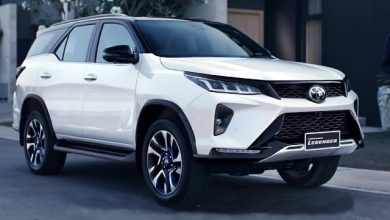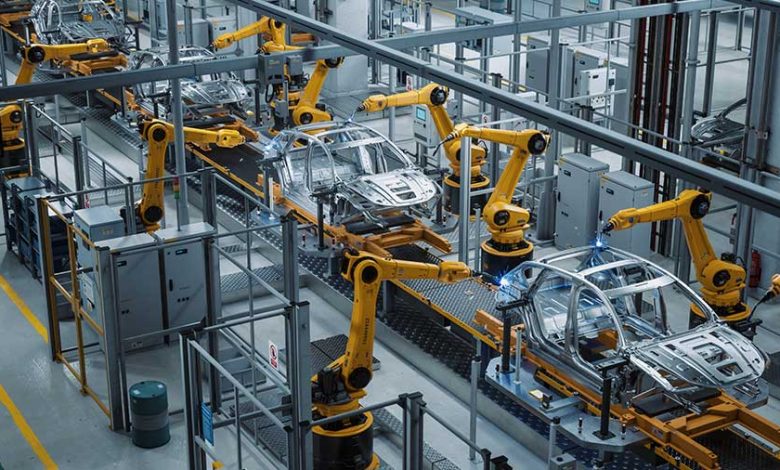
The auto industry is one of the most significant sectors in the global economy, influencing technology, culture, and the way people interact with their environment. From the invention of the first gasoline-powered car to the rise of electric and autonomous vehicles, the automobile has transformed societies and economies around the world. Understanding the evolution, innovations, challenges, and future trends in the auto industry is essential for consumers, businesses, and policymakers alike.
The Origins of the Auto Industry
The roots of the auto industry can be traced back to the late 19th century. While Karl Benz is widely credited with creating the first practical gasoline-powered car in 1885, numerous inventors and engineers contributed to the early development of automobiles. Early vehicles were experimental, often handcrafted, and accessible only to the wealthy.
Key Milestones in Early Automotive Development
- 1885: Karl Benz produces the Benz Patent-Motorwagen, recognized as the first practical automobile.
- 1893: Charles and Frank Duryea build the first American gasoline-powered car.
- 1908: Henry Ford introduces the Model T, revolutionizing mass production and making cars affordable to the general public.
- 1913: The moving assembly line is introduced, drastically reducing production time and costs.
These milestones laid the foundation for the modern auto industry, emphasizing innovation, accessibility, and industrial efficiency.
Modern Auto Industry Structure
Today, the auto industry encompasses various segments, each serving unique purposes. These segments include passenger vehicles, commercial vehicles, electric vehicles, luxury cars, and specialized vehicles like off-road and sports cars.
Passenger Vehicles
Passenger vehicles dominate the auto industry, designed for individual or family transportation. These vehicles vary from compact cars and sedans to SUVs and crossovers. Innovations in this segment focus on comfort, safety, fuel efficiency, and connectivity.
Commercial Vehicles
Commercial vehicles, including trucks, vans, and buses, play a crucial role in global logistics and public transportation. These vehicles are engineered for durability, high payload capacity, and efficiency. Advances in commercial vehicles often focus on fuel economy, emission reduction, and telematics integration.
Electric Vehicles (EVs)
Electric vehicles represent a growing segment that challenges traditional gasoline-powered cars. Driven by environmental concerns, government incentives, and advances in battery technology, EVs are gaining widespread adoption. Key components of EVs include high-capacity batteries, electric motors, and regenerative braking systems.
Luxury and High-Performance Cars
Luxury and high-performance vehicles combine engineering excellence with premium design. Brands specializing in this sector prioritize advanced safety features, powerful engines, and innovative materials. Consumer demand in this segment emphasizes brand prestige, technology, and exclusivity.
Key Innovations in Automotive Technology
The auto industry is heavily driven by technological innovation. Innovations enhance safety, efficiency, convenience, and environmental sustainability.
Safety Innovations
Safety has always been a primary focus for automakers. Over the decades, safety technology has evolved from basic mechanical solutions to advanced electronic systems. Key safety innovations include:
- Airbags and seatbelts: Fundamental safety features that save lives in collisions.
- Anti-lock braking systems (ABS): Prevent wheel lockup during sudden stops.
- Electronic stability control (ESC): Helps maintain vehicle stability during skidding.
- Advanced Driver Assistance Systems (ADAS): Features like lane-keeping assist, adaptive cruise control, and collision warning systems improve driver awareness and reduce accidents.
Fuel Efficiency and Environmental Innovations
With growing concerns about climate change, automakers prioritize fuel-efficient and low-emission vehicles. Innovations include:
- Hybrid engines: Combining internal combustion engines with electric motors for better efficiency.
- Turbocharging and downsizing: Enhancing engine performance while reducing fuel consumption.
- Lightweight materials: Using aluminum, carbon fiber, and advanced composites to improve fuel economy.
- Alternative fuels: Adoption of biofuels, hydrogen fuel cells, and EV technology.
Connectivity and Infotainment
Modern automobiles are more than just transportation tools; they are integrated digital platforms. Key features in this domain include:
- Infotainment systems: Touchscreen interfaces with navigation, media, and connectivity options.
- Telematics: Vehicle-to-vehicle (V2V) and vehicle-to-infrastructure (V2I) communication for enhanced safety.
- Smartphone integration: Seamless access to apps, navigation, and remote vehicle control.
Autonomous Driving
Self-driving technology is one of the most groundbreaking innovations in the auto industry. Companies worldwide are investing heavily in autonomous vehicle development. These systems rely on:
- Artificial Intelligence (AI): Processes real-time data from sensors and cameras.
- Lidar and radar: Detect obstacles and measure distances accurately.
- Machine learning algorithms: Enable vehicles to adapt to complex driving environments.
The Global Auto Market
The auto industry is a major contributor to the global economy, with millions of jobs, extensive supply chains, and significant trade flows.
Market Leaders
Countries like the United States, Germany, Japan, and South Korea are leaders in automotive manufacturing. They produce a range of vehicles from economy cars to luxury models, with strong domestic and export markets.
Emerging Markets
China and India represent rapidly growing automotive markets. Rising incomes, urbanization, and infrastructure development drive demand for both personal and commercial vehicles in these regions.
Supply Chain Challenges
The global auto industry relies on complex supply chains. Recent disruptions, including semiconductor shortages, natural disasters, and geopolitical tensions, have highlighted the vulnerability of these networks. Automakers are increasingly investing in local sourcing, inventory management, and digital supply chain tracking to enhance resilience.
Economic and Environmental Impact
The auto industry significantly influences both economic development and environmental sustainability.
Economic Contributions
- Employment: Millions of people work in manufacturing, design, sales, logistics, and maintenance.
- Trade: Vehicles and auto parts represent a substantial portion of international trade.
- Technological Innovation: The industry drives research in materials science, electronics, AI, and energy storage.
Environmental Considerations
- Carbon Emissions: Traditional vehicles contribute to greenhouse gas emissions.
- Air Pollution: Vehicles impact air quality in urban areas.
- Resource Consumption: The production of cars consumes metals, plastics, and rare earth materials.
The industry is responding with green technologies, regulations on emissions, and sustainable manufacturing practices. EV adoption, hybrid vehicles, and renewable energy integration are critical to reducing environmental footprints.
Consumer Trends in the Auto Industry
Consumer behavior shapes how automakers innovate and compete.
Increasing Demand for Sustainability
Modern consumers are more environmentally conscious, seeking fuel-efficient or electric vehicles. Corporate buyers, fleet operators, and individual consumers are prioritizing sustainability in vehicle choices.
Digital and Online Purchasing
The digital transformation of the auto industry allows customers to research, configure, and even purchase vehicles online. Virtual showrooms, online financing, and digital service scheduling are becoming standard.
Personalization and Customization
Consumers expect personalized experiences, from vehicle aesthetics to advanced tech features. Automakers offer modular designs, color options, and integrated infotainment customizations to meet individual preferences.
Future Trends in the Auto Industry
The future of the auto industry will be shaped by technology, regulation, and consumer behavior.
Electric and Hydrogen Vehicles
EVs are poised to dominate the market as battery costs decrease and charging infrastructure expands. Hydrogen fuel cells may complement electric propulsion, particularly for heavy-duty trucks and long-distance travel.
Autonomous Mobility
Autonomous vehicles are likely to reshape urban mobility, public transportation, and logistics. Fully self-driving cars could reduce accidents, improve traffic efficiency, and redefine personal mobility.
Shared Mobility
The rise of car-sharing and ride-hailing services may reduce private car ownership in urban centers. This trend encourages automakers to develop vehicles optimized for shared use.
Smart and Connected Vehicles
Connected cars will integrate with smart cities, traffic management systems, and AI-driven navigation. Vehicle data will enable predictive maintenance, real-time traffic optimization, and enhanced safety.
Challenges Facing the Auto Industry
While the auto industry is innovative, it faces several critical challenges:
- Regulatory Compliance: Emissions standards and safety regulations vary across regions.
- Technological Disruption: EVs, autonomous vehicles, and digital platforms require substantial investment.
- Supply Chain Volatility: Semiconductor shortages and raw material scarcity affect production.
- Consumer Preferences: Shifts toward sustainability and digital experiences require constant adaptation.
Addressing these challenges requires strategic planning, innovation, and collaboration between automakers, policymakers, and technology providers.
Conclusion
The auto industry is a dynamic and transformative sector that continues to evolve with technological, economic, and societal trends. From its early days of handcrafted vehicles to modern electric and autonomous cars, the industry shapes how people live, work, and travel. Innovations in safety, efficiency, connectivity, and sustainability are driving the future of mobility. As consumers and policymakers increasingly demand eco-friendly and technologically advanced solutions, the auto industry must continue to innovate while navigating complex global challenges.
FAQs About the Auto Industry
What are the main types of vehicles in the auto industry?
The auto industry includes passenger cars, commercial vehicles, electric vehicles, luxury vehicles, and specialized vehicles like sports and off-road models.
How does the auto industry impact the global economy?
The industry contributes through employment, trade, technological innovation, and taxation. It also stimulates industries like steel, electronics, and logistics.
What innovations are shaping the future of cars?
Key innovations include electric propulsion, autonomous driving, connected vehicle technologies, and smart mobility solutions.
Why is electric vehicle adoption increasing?
EV adoption is driven by environmental concerns, government incentives, falling battery costs, and the development of charging infrastructure.