Understanding Machine Vision: The Core of Industrial Imaging
The Science Behind Machine Vision
Machine vision refers to the technology and methods that allow machines (computers) to interpret and understand images from the real world. This system incorporates a camera, lighting, and connectivity to a digital processor, enabling automated analysis and decision-making based on visual data. At its core, machine vision operates on the principle of image acquisition, processing, and analysis. The goal is to transform image data into actionable information, which is critical for various applications such as quality assurance, product identification, and handling automation. Modern machine vision systems utilize algorithms ranging from basic pattern recognition to sophisticated artificial intelligence techniques, allowing them to perform complex tasks such as defect detection and counting inventory items with remarkable speed and accuracy.
Applications of Machine Vision in Various Industries
Machine vision technology finds its applications across an array of industries, illustrating its pivotal role in enhancing operational efficiency and product quality. In manufacturing, machine vision systems are used to ensure that parts are assembled correctly, and that products meet quality standards by performing inspections at high speeds. In pharmaceuticals, these systems assist in tracking quantities, ensuring correct labeling, and preventing counterfeiting, while in the automotive sector, they are integral for robotic guidance and quality control. The food and beverage industry also employs machine vision for sorting, recognizing defects, and ensuring compliance with health standards. Even beyond traditional manufacturing and logistics sectors, machine vision solutions find relevance in agriculture for monitoring crop health and in healthcare for imaging diagnostics, showcasing the versatility and transformative potential of this technological marvel.
Key Components of a Machine Vision System
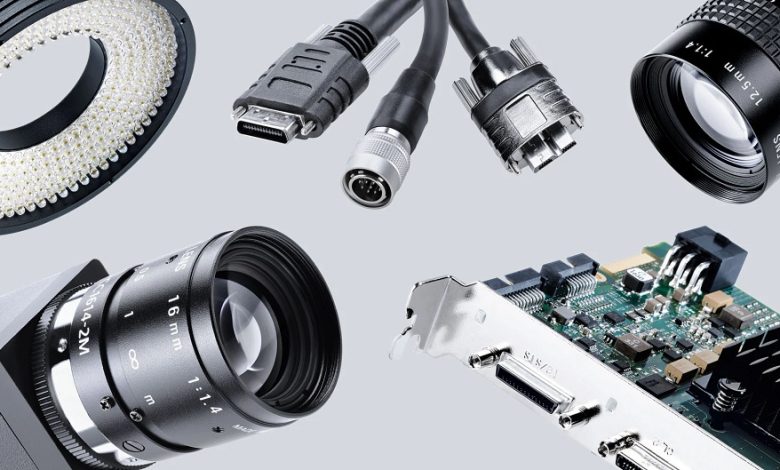
A fully functional machine vision system consists of several key components, each crucial for the successful acquisition and interpretation of visual data. The primary component is the camera, which can be of various types such as CCD or CMOS, each with specific advantages in terms of sensitivity, speed, and resolution. Next is the lens, essential for focusing light onto the camera sensor; selecting the right lens is paramount as it directly affects image quality and field of view. Lighting conditions play a critical role as well; the effective use of illumination can significantly enhance contrast and reveal details otherwise difficult to capture. Moreover, image processing software is vital for analyzing the captured images and making decisions based on the data. Finally, the hardware interface connects these components, allowing for smooth communication and data transfer, thus playing an integral role in maintaining system efficiency.
Diving Deep into Lens Types: Which One Fits Your Needs?
Telecentric Lenses: Precision at a Distance
Telecentric lenses are specifically designed to maintain consistent magnification across varying object distances, making them an ideal choice for applications where precision is critically important. These lenses ensure that the image stays proportional regardless of the object’s position within the lens’s range, eliminating perspective errors that can occur with standard lenses. This feature is particularly valuable in dimensional measurements of parts in fabrication and assembly processes where even the slightest inaccuracies can lead to costly errors. Telecentric lenses are also capable of delivering high levels of contrast and resolution, standing out as a favorable option for detailed inspection tasks, such as in semiconductor manufacturing where the smallest defects can have significant repercussions. Furthermore, their unique design minimizes the effects of lens distortion, further enhancing the accuracy of measurements and ensuring high-quality imaging performance.
Wide-Angle Lenses: Capturing the Big Picture
Wide-angle lenses are designed to capture a larger field of view, making them invaluable in situations where the entire context of a scene needs to be observed. These lenses excel in scenarios such as surveillance or monitoring of expansive areas in industrial settings. The ability to cover more ground means fewer cameras are needed to achieve the same level of surveillance, thus reducing installation and maintenance costs. However, with a wide-angle lens, users must be cognizant of potential image distortion that can occur, especially at the periphery of the frame. Therefore, the selection of high-quality wide-angle lenses that minimize distortion and maintain sharpness across the image is essential. Additionally, these lenses are often employed in applications that require the monitoring of moving parts due to their capability to capture dynamic scenes effectively.
Macro Lenses: Unveiling the Details in Close-Up
Macro lenses are specifically made for photographing small objects at close range, making them incredibly useful in industries such as electronics, jewelry, and research laboratories where tiny details matter. These lenses allow for superior magnification and resolution, enabling users to see details that are often missed by the naked eye, such as surface imperfections or intricate designs. One of the significant advantages of macro lenses is their ability to maintain clarity and sharpness even at high magnifications. They can reveal intricate textures and fine features in an object, making them essential for quality assurance and inspection tasks. Additionally, macro lenses often come with specialized features like variable focus distances and high contrast capabilities, further enhancing their performance in detailed imaging applications.
Feature Comparison: What Makes a Lens Stand Out?
Optical Quality: Understanding Resolution and Contrast
The optical quality of a lens, which directly relates to its resolution and contrast, is a vital factor in determining the effectiveness of a machine vision system. Resolution refers to the lens’s ability to capture fine details in an image, which is crucial in applications such as defect detection or dimensional measurements where precision is paramount. High-resolution lenses are capable of producing images with exceptional clarity, revealing intricate details and enabling more effective analysis. In addition, contrast performance plays a significant role in how well the lens distinguishes between different shades or colors in an image, especially in low-light conditions. A lens with high contrast will produce images with more defined edges and a greater dynamic range, making it easier to identify discrepancies and variations in the subject being observed. Therefore, selecting lenses with superior optical quality is essential to maximize the efficacy of any machine vision system.
Focal Length and Field of View: Balancing Range and Detail
The focal length of a lens determines its field of view (FOV) and is a critical consideration when choosing a lens for machine vision systems. A shorter focal length provides a wider FOV, enabling the capture of more extensive scenes, whereas a longer focal length allows for detailed imaging from a distance, effectively allowing you to zoom in on specific elements. The selection ultimately depends on the specific application; for instance, monitoring production lines may benefit from wide-angle lenses, whereas inspection of intricate details requires lenses with longer focal lengths to capture detailed images without distortion. It’s also important to consider that changes in focal length can affect depth of field and perspective distortion, complicating some imaging tasks. Understanding the requirements of your application and balancing focal length with the desired field of view is fundamental in optimizing imaging performance.
Built-in Features: Auto-Iris and Coating Technologies
Modern machine vision lenses are equipped with various built-in features that enhance usability and performance. One significant feature is the auto-iris capability, which allows the lens to automatically adjust the aperture based on lighting conditions. This technology is crucial for applications where lighting can vary dynamically, ensuring consistent exposure and image quality at all times. Furthermore, various coating technologies improve lens performance by reducing reflections and flare, increasing transmission rates which lead to clearer images. Anti-reflective coatings enhance visibility in bright environments, while scratch-resistant coatings preserve image quality over time. Furthermore, features such as lens mounts, adjustable apertures, and compatibility with different camera systems also play an essential role in choosing the right lens, allowing for flexibility and ease of integration into existing setups.
Best Practices: Maximizing Performance with Your Chosen Lens
Calibration Techniques for Optimal Imaging Results
Calibration techniques are fundamental to ensuring optimal performance of machine vision systems and their accompanying lenses. Proper calibration helps to achieve accurate measurements and error-free imaging, which is crucial in any industrial application where precision is paramount. The calibration process often involves adjusting the lens settings, aligning the camera and light sources, and ensuring that the imaging software is correctly configured. Using calibration patterns or objects with defined dimensions can help in this process, as these serve as references to ensure the system interprets images correctly. Routine recalibration is also recommended, especially when major components are added or replaced, or if the environment in which the system operates changes significantly. Implementing effective calibration techniques not only enhances imaging results but also extends the lifespan of the machine vision system.
Maintenance Tips to Preserve Lens Integrity
Proper maintenance is key to preserving the integrity and performance of machine vision lenses. Lenses are sensitive optical devices that must be kept clean and free from dust or contaminants that could degrade image quality. Regular cleaning using appropriate techniques and solutions, such as lens cleaning fluids and microfiber cloths, is necessary to prevent scratches or damage. Additionally, storage plays a critical role—keeping lenses protected from extreme temperatures, humidity, and direct sunlight can prevent deterioration of coatings and optics. Inspecting the lens for signs of wear and tear periodically can also provide insights into the condition of the system, allowing for proactive repairs or replacements. Implementing a thorough maintenance schedule is an investment in the long-term efficiency and reliability of machine vision technology.
Future Trends: Innovations Shaping the Lens Landscape
The field of machine vision lenses is experiencing rapid advancements, fueled by ongoing research and technological innovation. Future trends suggest an increased integration of artificial intelligence and machine learning algorithms into imaging systems, allowing for smarter analytics and improved decision-making capabilities. Additionally, advancements in materials science are leading to the development of lenses that are lighter, thinner, and more durable, improving ease of use without sacrificing quality. There is also a growing focus on customizability, as manufacturers begin to realize the varied and specific needs of different industries—bespoke lens solutions tailored to unique applications are likely to become more prevalent. Furthermore, the rise of smart cameras and advanced imaging sensors presents new opportunities for lens technology integration, ushering in an era of efficiency and effectiveness previously unattainable in industrial contexts. Keeping an eye on these trends will be crucial for organizations looking to harness the full potential of machine vision technology.
FAQ
Question: What is the importance of calibration in machine vision systems? – Calibration is essential for achieving accurate measurements and error-free imaging. It involves adjusting lens settings, aligning cameras and light sources, and configuring imaging software to ensure that the system interprets images correctly.
Question: How do environmental factors affect machine vision performance? – Environmental factors such as lighting conditions, temperature, and humidity can significantly impact the performance of machine vision systems. These factors can affect image quality and require specific lens features or adjustments to maintain optimal operation.
Question: What industries benefit most from machine vision technology? – Industries such as manufacturing, pharmaceuticals, automotive, food and beverage, agriculture, and healthcare utilize machine vision technology to enhance operational efficiency, product quality, and accuracy in inspection and monitoring processes.
Question: Why is optical quality critical in machine vision lenses? – Optical quality, which encompasses resolution and contrast, is vital as it determines the lens’s ability to capture fine details and distinguish between different shades or colors, influencing the overall effectiveness of the machine vision system.
Question: What advancements are expected in machine vision lens technology? – Future advancements are expected to include integration of artificial intelligence for enhanced analytics, developments in lighter and more durable materials, and customizable lens solutions tailored to specific industry needs.
Question: What cleaning methods should be used for machine vision lenses? – For cleaning machine vision lenses, it’s recommended to use lens cleaning fluids paired with microfiber cloths to prevent scratches and damage, ensuring that the lenses remain clear and free of contaminants.
Question: How does the focal length impact machine vision applications? – Focal length influences the field of view and detail captured in imagery; shorter focal lengths provide wider views, suitable for monitoring, while longer focal lengths enable detailed imaging from a distance, vital for inspection tasks.
Question: What role does lighting play in machine vision systems? – Lighting is crucial in machine vision as it enhances contrast and reveals details in images. Effective illumination can dramatically improve image quality and is essential for achieving accurate analysis in various applications.
Useful Resources
- Vision Online
- Advanced Vision Technology
- Machine Vision Online
- American Society for Engineering Education (ASEE)
- The Imaging Society
- The Great Health & Technology Institute
- Electronic Design Automation (EDA) Consortium
- Illinois Institute of Technology