Understanding the Impact of Fire Damage: Beyond the Flames
The Hidden Consequences of Smoke and Soot
Fire damage often extends beyond the visible charred remains of your property. One of the most significant yet overlooked aspects of fire damage is the persistent presence of smoke and soot. Smoke travels throughout a structure, infiltrating walls, furniture, and textiles. This fine particulate matter can lead to long-term issues if not addressed properly. Soot can damage surfaces, corrode metals, and even lead to health complications for those who inhabit the area post-fire. Understanding the nature of smoke and soot can help homeowners mitigate these hidden dangers effectively. These byproducts contain harmful chemicals, which can linger in the indoor air quality and potentially harm the respiratory systems of the occupants. Moreover, if left untreated, soot can become embedded in porous materials, making it incredibly challenging to eliminate completely without professional-grade cleaning solutions.
Assessing Structural Integrity: Is Your Home Safe?
After a fire, assessing the structural integrity of your home should be at the forefront of your priorities before beginning any cleanup. Fire can compromise various structural elements, including beams, rafters, and load-bearing walls. Observing signs such as warping, cracking, or unusual sagging can signal weakened structures that may fail under stress. It is recommended to engage a qualified structural engineer to perform a thorough inspection. They can help identify potential hazards and provide guidance on necessary repairs or reinforcements. Additionally, not only is the visible structure important, but the foundation may also suffer hidden damage due to the heat exposure. Inspecting plumbing and electrical systems is also crucial, as they may have been compromised or present fire hazards. Leaving these matters unattended could pose serious risks down the road, further complicating the recovery process.
The Emotional Toll: Coping After a Fire Incident
The emotional toll of experiencing a fire can be profound and multifaceted. Survivors may face a whirlwind of feelings, such as grief for lost personal belongings or anxiety about future living conditions. Acknowledging these feelings is essential for recovery, as bottling them up can lead to long-term psychological issues such as PTSD, anxiety disorders, and depression. Support from family and friends can be invaluable during this time, but many find comfort in professional counseling services that specialize in disaster recovery. Engaging in community support groups also allows individuals to connect with others who have experienced similar losses, fostering empathy, understanding, and shared strategies for coping. Moreover, practicing self-care through mindfulness or physical activities can significantly relieve stress and aid in emotional healing. Recognizing that recovery is a process and that it’s fully acceptable to seek help is crucial for regaining a sense of stability and normalcy in your life.
Essential Safety Measures: Before You Start Cleanup
Protecting Yourself: Gear Up for the Task Ahead
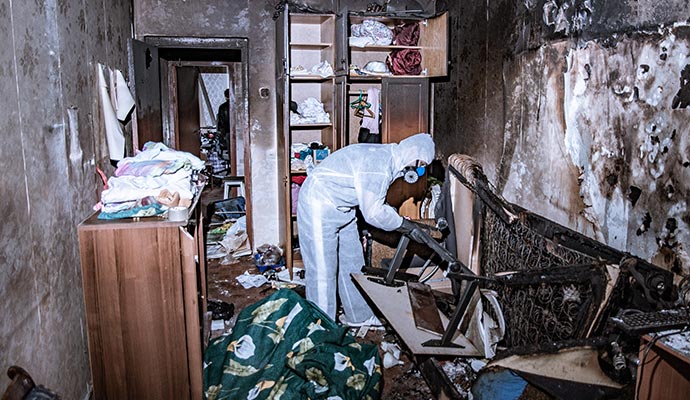
Before embarking on the fire damage cleanup process, it is essential to prioritize your safety. The dangers present in fire-damaged homes are numerous, including sharp debris, hazardous chemicals, and the potential for structural collapses. Proper safety gear will not only protect you but also facilitate a more efficient cleanup. Begin with a pair of durable gloves that can ward off cuts and scrapes. Furthermore, a high-quality respirator mask is crucial for filtering out harmful smoke particles and chemicals that may still linger in the air. Eye protection, such as goggles, is necessary to shield your vision from flying dust and other irritants. Finally, sturdy footwear will help protect your feet from sharp objects and unstable surfaces. While this gear may seem like a minor detail, investing in safety equipment can prevent serious injuries, allowing you to tackle the cleanup with confidence and care.
Evacuating the Area: Knowing When to Call for Help
Understanding when to call professionals is a critical safety measure during fire damage cleanup in Oak Harbor. If the damage appears extensive, or if there are persistent hazards present, evacuation may be necessary. Structural damage may be less visible, and professionals have the experience and tools to assess the property safely. In scenarios where hazardous materials were involved in the fire, seeking immediate help from fire restoration specialists is essential. These experts are trained in managing volatile environments and can provide invaluable support in removing hazardous materials safely. Moreover, if you feel overwhelmed or unsure of how to proceed, don’t hesitate to reach out for professional help. The cost of repairs may be daunting, but addressing the issue correctly from the start can save you significantly on future expenses and potential health risks.
Documenting the Damage: The Importance of Evidence Collection
Documenting the extent of the fire damage is not only an essential step for your insurance claims but also contributes to understanding the scope of the cleanup efforts needed. Thorough documentation walks you through the restoration process and helps ensure nothing is overlooked. Begin by taking high-resolution photographs of all affected areas and items, including furniture, personal belongings, and any structural impulse damage. Video documentation can also be beneficial as it allows you to capture the depth and spread of the damage in real-time. Keep records of all conversations with insurance agents and restoration experts. Furthermore, itemizing lost or damaged goods can significantly streamline your insurance claims process. Being methodical and organized in this phase can alleviate future complications and help you secure the financial assistance necessary for restoration.
The Cleanup Process: A Step-by-Step Guide
Removing Debris: Tackling the First Phase of Cleanup
Starting the cleanup process typically involves the heavy lifting of removing debris. This step requires a systematic approach as debris can pose various dangers, such as sharp objects, weakened supports, and hazardous materials. Prioritize safety by wearing gloves, masks, and protective gear as you begin assessing the extent of the debris. Separate damaged items into categories: recyclable materials, those that can be salvaged, and non-salvageable waste. Remember that some items may be dangerous to handlers, such as insulation materials or chemical containers, so take care in their removal. Renting a dumpster may be necessary to easily dispose of the non-salvageable debris. Moreover, tracking what can be salvaged allows you to coordinate refinishing processes or repairs later on. Clear each area methodically, starting from the point of entry and expanding outward to ensure nothing essential is overlooked.
Advanced Techniques: Smoke Odor Removal and Restoration
Once the debris is removed, the next stage is addressing lingering smoke odors and restoring affected surfaces. Many homeowners find themselves overwhelmed by the persistent scent of smoke in both visible and hidden areas of their homes. Professional-grade ozone machines are often effective in neutralizing smoke odors, as they break down smoke particles and eliminate airborne irritants. The surfaces affected by soot, including walls and ceilings, will need to be cleaned using specialized cleaning solutions. A mixture of vinegar, water, or a commercial-grade soot remover will typically suffice, but testing on a small area first is advisable to ensure no further damage occurs. Fabrics in the home will be particularly susceptible to trapping odors; washing drapes and textiles and replacing air filters and HVAC systems will aid significantly in restoring air quality. Understanding that complete smoke odor removal can take time and often requires multiple passes can better set expectations for homeowners.
Dealing with Water Damage: A Side Effect of Firefighting Efforts
Water damage from firefighting efforts presents its own set of challenges that often complicate the cleanup process. While water is critical to extinguishing flames, it can lead to additional problems such as mold growth, structural damage, and deterioration of materials. It is essential to dry out affected areas as quickly as possible using industrial fans and dehumidifiers to minimize long-term consequences. Inspect for hidden moisture pockets behind walls and under floors that could foster mold growth. In cases where water damage is extensive, engaging mold remediation specialists may be necessary to ensure complete removal of moisture and mold spores. Additionally, it’s important to consider the salvageability of structures; wood may swell and warp when exposed to significant water, thus requiring careful assessment on whether replacement is necessary. By addressing water damage early, homeowners ensure a more comprehensive and efficient cleanup and restoration procedure.
Restoration Resources: Finding the Right Help in Oak Harbor
When to Call Professionals: Knowing Your Limits
While some tasks associated with fire damage cleanup can be handled independently, recognizing when to call professionals is essential for optimal results. Engaging certified restoration companies can ensure that the job is done correctly and safely, as they have specialized training and equipment designed for trauma restoration. Look for companies with proven records in fire damage recovery within your local area. They can assess the damage comprehensively, provide mold remediation services, and aid in documentation, such as insurance claims. Moreover, their specialized approach can significantly speed up the recovery process, saving you time and mitigating stress during an already challenging experience. If the cleanup process involves complex electrical or plumbing repairs, do not hesitate to call in licensed professionals to ensure your home returns to a safe and livable condition.
DIY vs. Hiring Experts: Which Route is Right for You?
The decision between undertaking cleanup efforts yourself or hiring experts is significant and should be made with careful consideration. DIY approaches can save money but often require significant time, labor, and expertise that may not be available to all homeowners. If the damage is minor and you feel confident in your abilities, some tasks can feasibly be handled personally, especially preliminary cleanup and debris removal. However, for more extensive damage, such as that affecting structural integrity or health hazards stemming from smoke or mold, hiring trained professionals could be the most prudent approach. Conducting a cost-benefit analysis of your capabilities versus the expertise of restoration professionals can help guide you in the right direction. Remember, your health and safety should always be the top priority when making this decision.
Local Resources and Support Systems: Navigating Recovery
After a fire, it can feel overwhelming to recover both emotionally and physically. Fortunately, numerous local resources in Oak Harbor can assist you in navigating through this journey. Community organizations often provide counseling and support to those who experience loss from disasters. The Red Cross is typically on the ground to assist families in need of immediate refuge, resources, and recovery plans. Local shelters might also provide support systems, which can include temporary housing, food services, and counseling. Beyond government services, reaching out to online forums or social media groups can connect you with others who have faced similar situations, offering emotional encouragement and practical advice. Remember, you are not alone in this journey; leveraging community resources can significantly ease the transition back to normalcy.
FAQ
Question: What should I do if I smell smoke weeks after the fire? – It is crucial to investigate immediately, as lingering smoke odors can indicate underlying soot and smoke damage. You may need professional help to ensure thorough cleaning and restoration of air quality.
Question: How can I prevent mold growth after a fire? – To prevent mold, dry out affected areas promptly using dehumidifiers and industrial fans. Regularly inspect for hidden moisture behind walls and under floors.
Question: Are there specific insurance considerations I should be aware of? – Yes, make sure to document all damage thoroughly, as this will support your insurance claim. Additionally, promptly notify your insurance provider to initiate the claims process as soon as possible.
Question: Can I handle minor repairs myself after a fire? – If the damage is minimal and you feel confident in your abilities, some repairs can be attempted. However, always prioritize safety and consider the potential need for professional assistance for more substantial damage.
Question: What types of professionals should I hire for restoration? – Hire certified fire damage restoration experts, structural engineers for safety assessments, and mold remediation specialists if mold growth is detected. Each plays a critical role in ensuring a safe recovery process.
Question: How do I document my losses for insurance effectively? – Take clear, high-resolution photos and videos of all damaged areas and items, and create an inventory list of lost or damaged goods. Keep a log of all communications with insurance representatives.
Question: What emotional support resources are available after a fire? – Reach out to local community organizations, counseling services, or support groups that specialize in disaster recovery. These resources can provide emotional assistance and practical advice during your recovery.
Question: Is it advisable to attempt smoke odor removal myself? – While some homeowners may manage minor smoke odor issues using home remedies, significant problems often require professional-grade cleaning solutions and equipment for effective eradication of smoke particles.
Useful Resources
- American Red Cross
- Federal Emergency Management Agency (FEMA)
- National Fire Protection Association (NFPA)
- Centers for Disease Control and Prevention (CDC)
- Verywell Mind
- Psychology Today
- Mayo Clinic
- Substance Abuse and Mental Health Services Administration (SAMHSA)