Fashion is more than clothing; it is a powerful expression of culture, identity, and innovation. From historical garments to contemporary trends, fashion reflects societal values, economic shifts, and technological advancements. The fashion industry has evolved into a global powerhouse that influences art, media, business, and lifestyle. Understanding its dynamics, historical development, trends, and sustainability challenges is essential for professionals, enthusiasts, and consumers alike.
The Origins of Fashion
Fashion has existed in some form since humans first used clothing for protection and self-expression. Its evolution is deeply tied to culture, climate, and social hierarchy.
Ancient and Traditional Fashion
- Egyptian Fashion: Ancient Egyptians used linen garments, jewelry, and makeup to signify status and religious roles. Clothing styles were often gender-specific and adorned with symbolic motifs.
- Greek and Roman Fashion: The Greeks favored draped garments like chitons, emphasizing aesthetics and proportion. Romans developed togas and tunics that signified citizenship and social class.
- Asian Influences: Traditional attire such as the Japanese kimono, Chinese hanfu, and Indian sari reflected artistry, craftsmanship, and regional identity.
Medieval and Renaissance Fashion
- Clothing in medieval Europe was a clear indicator of social class. The nobility wore rich fabrics like velvet and silk, while peasants wore simple woolen garments.
- The Renaissance period emphasized luxury, artistic embellishment, and the emergence of fashion as a statement of personal and societal status.
Industrial Revolution and Fashion
The industrial revolution transformed fashion by introducing textile machinery, mass production, and new fabrics. Ready-to-wear clothing became more accessible, democratizing style beyond the elite classes. Innovations like the sewing machine revolutionized garment manufacturing, paving the way for modern fashion industries.
Modern Fashion: Trends, Influences, and Globalization
Contemporary fashion is a blend of artistic expression, commercial strategy, and cultural symbolism. It responds to global influences, social movements, and technological progress.
Key Fashion Trends
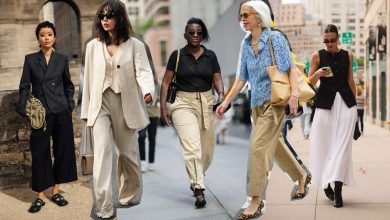
- Streetwear: Emerging from urban culture, streetwear emphasizes casual, often branded clothing combined with sneakers, hoodies, and accessories.
- Sustainable Fashion: Driven by environmental concerns, sustainable fashion incorporates eco-friendly materials, ethical production, and circular economy principles.
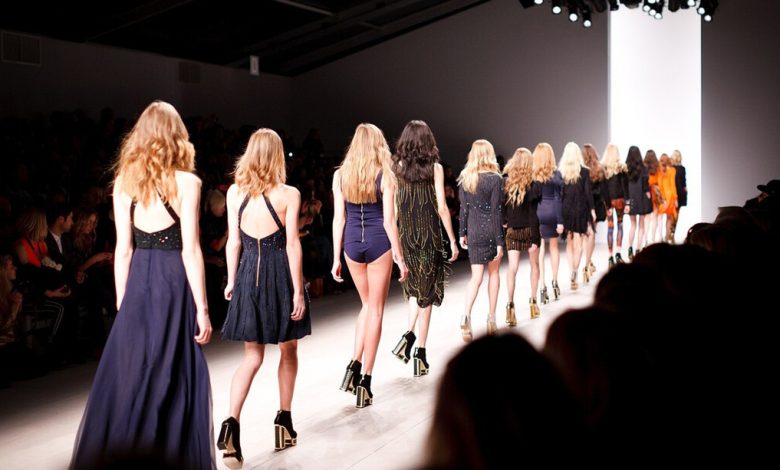
- High Fashion and Couture: Luxury fashion houses continue to push creative boundaries with bespoke designs, runway shows, and limited-edition collections.
- Gender-Neutral Fashion: Breaking traditional binary norms, gender-neutral fashion promotes inclusivity and fluidity in clothing choices.
Cultural and Social Influences
Fashion mirrors societal changes and cultural phenomena:
- Music and Pop Culture: Icons such as Madonna, Beyoncé, and BTS influence global style trends.
- Technology and Social Media: Platforms like Instagram, TikTok, and Pinterest accelerate trend adoption and democratize fashion visibility.
- Political Statements: Clothing has been used historically to convey messages, such as the suffragette white, Black Lives Matter merchandise, and Pride-themed apparel.
Globalization in Fashion
Global trade, communication, and media have made fashion a worldwide dialogue. Designers draw inspiration from diverse cultures, resulting in cross-cultural fusion collections. Simultaneously, brands must navigate cultural appropriation concerns and promote authentic representation.
The Role of Technology in Fashion
Technological advancements have reshaped design, production, and retail in the fashion industry.
Digital Design and Manufacturing
- 3D Modeling and CAD: Designers use computer-aided design (CAD) software to visualize, prototype, and modify garments before production.
- Automation in Manufacturing: Robotics and AI enhance efficiency, reduce waste, and maintain consistent quality in large-scale garment production.
- Smart Textiles: Innovations include fabrics embedded with sensors, LED lights, or temperature-regulating properties.
E-Commerce and Virtual Fashion
- Online platforms allow consumers to access global fashion trends, shop conveniently, and participate in digital communities.
- Virtual fashion, such as digital clothing for avatars and NFT apparel, is an emerging niche merging gaming, social media, and digital identity.
Artificial Intelligence and Data Analytics
AI tools analyze consumer behavior, predict trends, and optimize inventory management. Retailers leverage AI to provide personalized recommendations, improve customer experience, and reduce overproduction.
Sustainability and Ethical Considerations
The fashion industry is among the largest global polluters, prompting a push for sustainability and ethical practices.
Environmental Impact
- The production of fast fashion contributes to water pollution, textile waste, and greenhouse gas emissions.
- Synthetic fabrics like polyester, derived from fossil fuels, exacerbate environmental challenges.
Ethical Labor Practices
- Many garment workers, particularly in developing countries, face low wages, unsafe working conditions, and exploitation.
- Fair trade initiatives, certifications, and corporate social responsibility programs aim to ensure ethical labor standards.
Circular Fashion
Circular fashion emphasizes reducing waste by designing for durability, recycling textiles, and encouraging second-hand markets. Examples include resale platforms, clothing rental services, and upcycled fashion collections.
Fashion as a Form of Identity and Self-Expression
Clothing communicates personality, social status, and values. Fashion allows individuals to experiment with identity, challenge norms, and assert uniqueness.
Psychological and Sociological Dimensions
- Self-Expression: Clothing enables individuals to project confidence, creativity, and mood.
- Social Signaling: Fashion can indicate group affiliation, social class, or professional identity.
- Cultural Identity: Traditional and contemporary attire reflects heritage, regional pride, and cultural narratives.
Fashion Communities and Subcultures
Subcultures like punk, goth, hip-hop, and K-pop fandoms have distinct styles that foster community, belonging, and social commentary. These movements influence mainstream fashion trends while retaining cultural significance.
Fashion Marketing and Consumer Behavior
Marketing strategies shape how fashion is perceived and consumed globally.
Brand Positioning
Luxury brands emphasize exclusivity, heritage, and storytelling, while mass-market brands focus on affordability, trend responsiveness, and accessibility.
Influencer Marketing
Social media influencers serve as intermediaries between brands and consumers, creating authentic engagement and driving purchase behavior.
Experiential Retail
Physical stores integrate interactive experiences, personalized services, and immersive design to enhance the consumer journey.
Consumer Psychology
Understanding motivations, such as aspiration, social validation, and self-expression, helps brands design campaigns and products that resonate with target audiences.
Challenges and Opportunities in the Fashion Industry
The fashion industry faces ongoing challenges alongside unprecedented opportunities.
Fast Fashion vs. Sustainability
Balancing rapid trend cycles with environmental responsibility remains a critical challenge. Consumers increasingly demand transparency, ethical sourcing, and eco-friendly practices.
Market Saturation and Competition
The global fashion market is highly competitive, requiring innovation, differentiation, and agility. Emerging markets provide growth potential but demand localized strategies.
Technological Disruption
AI, virtual reality, and blockchain are reshaping design, retail, and supply chain management. Brands must adapt to stay relevant in a technologically evolving landscape.
Diversity and Inclusion
Promoting diversity in models, campaigns, and design perspectives is essential for cultural relevance and social responsibility. Inclusive fashion fosters broader representation and consumer connection.
The Future of Fashion
Fashion will continue to evolve at the intersection of creativity, technology, and societal change.
Smart and Functional Apparel
Clothing integrated with wearable technology, environmental adaptability, and health monitoring will redefine utility and fashion convergence.
Digital-First Fashion Experiences
Virtual fashion shows, digital clothing collections, and augmented reality shopping will expand accessibility and consumer engagement.
Ethical and Circular Innovation
Sustainability will remain central, with innovations in biodegradable fabrics, closed-loop production, and regenerative materials.
Cross-Cultural Fusion
Globalization will promote blending traditional and modern aesthetics, resulting in richer, more diverse fashion expressions.
FAQs About Fashion
What defines modern fashion trends?
Modern fashion trends are shaped by cultural movements, technology, media, and consumer behavior, reflecting global and local influences simultaneously.
How does fashion influence identity?
Fashion allows individuals to communicate personality, social status, cultural affiliation, and values, serving as a dynamic form of self-expression.
Why is sustainability important in fashion?
Sustainability reduces environmental impact, conserves resources, ensures ethical labor practices, and aligns with consumer demand for responsible consumption.
What role does technology play in fashion design?
Technology streamlines design, prototyping, and production, enabling AI-driven insights, virtual reality experiences, and smart textiles.
How do fashion brands market effectively in the digital age?
Brands leverage social media, influencer partnerships, e-commerce platforms, personalized marketing, and experiential retail to engage consumers globally.
What are emerging innovations in fashion?
Emerging innovations include virtual clothing, wearable technology, circular fashion models, AI-assisted trend prediction, and inclusive design.
How has globalization changed fashion?
Globalization fosters cross-cultural influences, widespread trend adoption, and international collaboration, while highlighting the need for cultural sensitivity and authenticity.
What are the ethical challenges in fashion?
Key challenges include labor exploitation, environmental degradation, overproduction, and lack of transparency in supply chains.
Why is fashion considered an economic driver?
Fashion generates jobs, fuels innovation, contributes to GDP, drives retail and e-commerce, and stimulates creative industries worldwide.